<?xml version="1.0" encoding="utf-8"?><Thesaurus
	xmlns="http://schemas.bs8723.org/XmlSchema/"
	xmlns:dc="http://purl.org/dc/elements/1.1/"
	xmlns:dcterms="http://purl.org/dc/terms/"
	xmlns:eGMS="http://www.govtalk.gov.uk/CM/gms"
	xmlns:xsi="http://www.w3.org/2001/XMLSchema-instance"
	xsi:schemaLocation="http://schemas.bs8723.org/XmlSchema/DD8723-5.xsd">	 <dc:identifier>http://mamoura.eci.ufmg.br/tematres/vocab/</dc:identifier>  <dc:title>COEXISTENCE  - Thesaurus of intersectionality  and decolonial issues: black studies, gender, sexuality  and feminist studies</dc:title>  <dc:creator>Maria Aparecida Moura</dc:creator>  <dc:subject>intersectionality, genre, race, sexuality, feminism,  decolonial issues,</dc:subject>  <dc:description><![CDATA[ The COEXISTENCE Thesaurus, dedicated to the exploration of intersectionality within the realms of race, gender, sexuality, and feminist studies, serves as a tool for organizing knowledge from an intersectional perspective. Throughout history, traditional knowledge organization systems have often inadvertently reinforced oppressive structures, particularly in matters pertaining to race, gender, sexuality, and feminist studies.

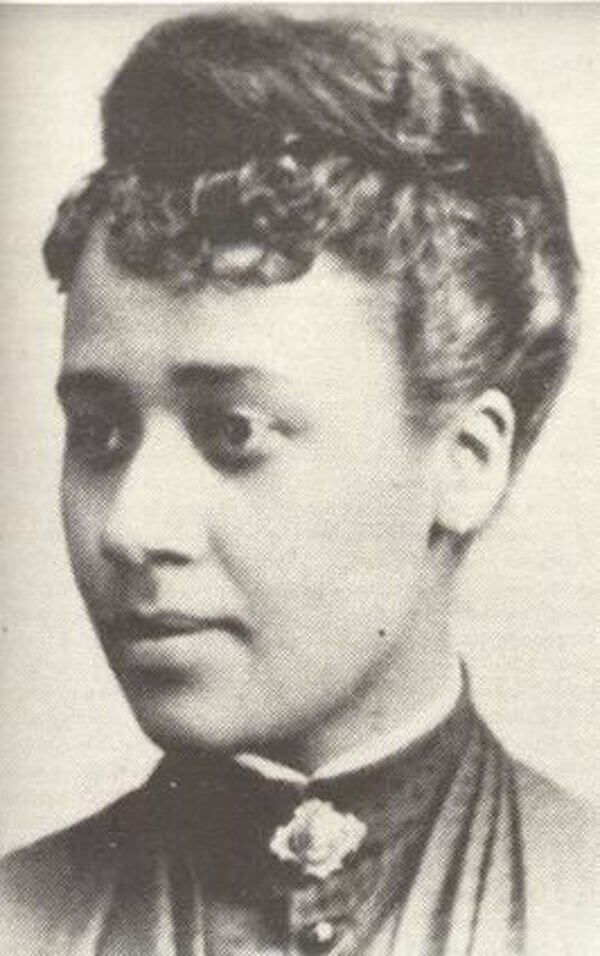
The primary objective of COEXISTENCE is to systematically categorize, structure, and disseminate terms, concepts, and theories that empower us as scholars, information professionals, activists, educators, and opinion leaders. By doing so, we aim to contribute to the collective effort towards a fairer and more egalitarian world. This undertaking is essential in fostering a comprehensive understanding and progressive discourse in the academic and societal domains. ]]></dc:description>  <dc:publisher>Maria Aparecida Moura</dc:publisher>  <dc:date>2017-02-01</dc:date>  <dc:language>en-US</dc:language><ThesaurusConcept dc:identifier="http://mamoura.eci.ufmg.br/tematres/vocab/xml.php?skosTema=1171">	<dcterms:created>2019-04-20 08:11:10</dcterms:created>	<dcterms:modified>2019-04-22 06:40:55</dcterms:modified><PreferredTerm dc:identifier="http://mamoura.eci.ufmg.br/tematres/vocab/xml.php?skosTema=1171" xml:lang="en-US">	<LexicalValue>Anna Julia Cooper (1858-1964)</LexicalValue>	<dcterms:created>2019-04-20 08:11:10</dcterms:created>	<dcterms:modified>2019-04-22 06:40:55</dcterms:modified></PreferredTerm><HistoryNote xml:lang="en-US">  <LexicalValue><![CDATA[ <p><img class="myclass" src="http://d207ibygpg2z1x.cloudfront.net/image/upload/v1544418368/articles_upload/content/h2qmtzbkywhaoawgjrlt.jpg" border="0" /></p>
<p>Anna Julia Cooper, a black-liberation activist, is one of the most prominent black scholars in American history, as the fourth African American to earn a PhD when she graduated from the University of Paris-Sorbonne in 1924 after a life of slavery in Raleigh, North Carolina. Cooper penned her first book, <em>A Voice from the South: By a Woman from the South</em>, in 1892, which has been dubbed the first text boasting black feminist thought in the country. Likewise, her 1893 speech, “Women’s Cause Is One and Universal,” which she delivered before the World’s Congress of Representative Women in Chicago was among the first public conversations delineating the differences that white and black women face in their fight for equality. </p>
<p>Source: https://fairygodboss.com/career-topics/famous-black-feminists</p> ]]> </LexicalValue></HistoryNote><HasHierRelConcept Role="BT">http://mamoura.eci.ufmg.br/tematres/vocab/xml.php?skosTema=171</HasHierRelConcept></ThesaurusConcept></Thesaurus>